

Last Updated: September 24, 2026
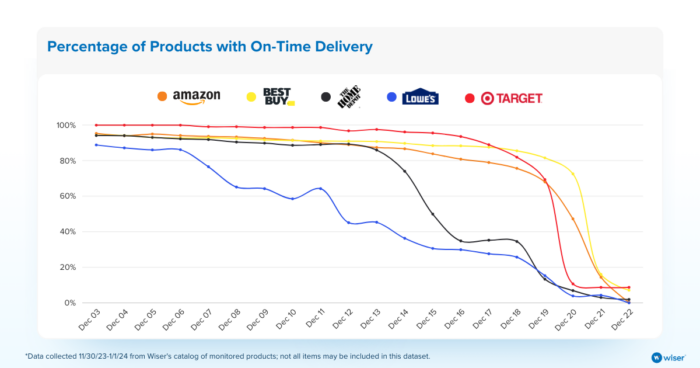
Last year, only 34 percent of U.S. shoppers said they were very confident their holiday orders would arrive on time, even though most of them had ordered early specifically to avoid that risk. Carriers had forecast 10 to 12 percent of packages delayed that season, up from 7 to 10 percent the year before. That gap between what shoppers expect and what carriers can actually promise isn't a one-season fluke. It's the same pattern every year, and it changes what a shopper does next.
Shipping Pressure Changes the Decision, Not Just the Timeline
A shopper adds something to their cart, and the checkout page shows a delivery estimate that lands after the date they actually need it. That's the moment they leave to open a new tab, and whoever looks most reliable and most competitively priced in that next tab wins the sale, regardless of who had the better product a minute earlier.
That means the pressure of the holiday season doesn't show up as a shipping problem alone. It shows up as a pricing and visibility problem, concentrated into the handful of weeks when a shopper's patience is at its shortest and their willingness to switch retailers is at its highest.
Promotions Move Fastest When Competitors Are Also Moving Fast
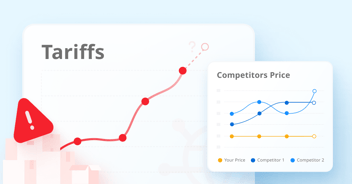
Dynamic pricing and time-sensitive promotions do real work during the holidays, nudging a hesitant shopper toward checkout before a deadline passes. But a promotion only creates urgency if it's actually competitive at the moment a shopper compares it, and during peak weeks, competitor prices move faster and more often than at any other point in the year.
Wiser tracks those moves as they happen, not on a weekly cadence, so a promotion built to win a shopper's attention this week doesn't quietly lose to a competitor's better offer a day later. Getting pricing right once at the start of the season isn't enough when the whole market is adjusting daily.
Visibility Gaps Cost More During Peak Weeks
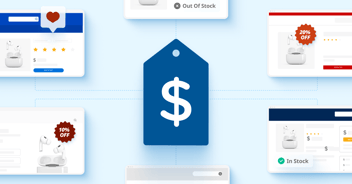
A stockout or a missing listing is a minor miss in October. In the week after standard shipping can no longer guarantee delivery by Christmas, that same gap is a lost sale that goes straight to whichever competitor still has the item in stock and visible in search. The margin for error shrinks exactly when traffic and urgency are both at their highest.
Wiser surfaces those gaps, an out-of-stock listing, a category where a competitor's assortment is suddenly stronger, before they cost a season's worth of sales in a single bad week. The volume of holiday traffic doesn't create new problems so much as it makes existing ones far more expensive, far faster.
Where This Leaves Brands and Retailers
None of this is really about shipping. Shipping pressure just moves up the moment a shopper starts comparing prices, something they'd eventually do anyway. What actually decides the sale is whether the price and the listing hold up once they do.
Talk to Wiser about what Wiser would catch during your busiest weeks of the year.