

TL;DR
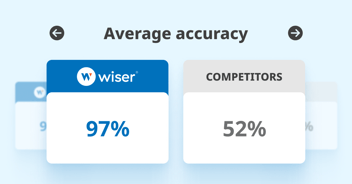
Low-cost retail data often looks comprehensive but hides critical gaps in coverage, accuracy, and validation. These blind spots quietly undermine pricing, compliance, and assortment decisions; creating risk that surfaces only after performance declines.
Why “Good Enough” Data Quietly Undermines Retail Performance
Most retail leaders believe they have solid data coverage. Dashboards are populated, competitor sets look broad, and reports update on schedule. On paper, everything appears complete.
The problem is that data can look comprehensive while still being fundamentally unreliable. Low-cost data providers often deliver volume without rigor, creating a false sense of confidence that masks blind spots until decisions start to break down. By the time issues surface, the damage is already done: missed revenue, compliance failures, strained retailer relationships, or internal teams scrambling to explain why results don’t align with expectations.
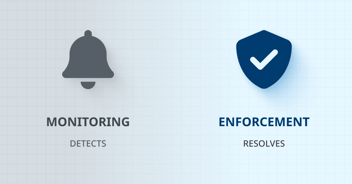
Cheap data doesn’t fail loudly. It fails quietly—inside pricing, compliance, and assortment decisions leaders assume are grounded in fact.
When Coverage Is an Illusion, Not a CapabilityLow-cost vendors typically promise “broad coverage” by relying on shallow scraping methods: limited page depth, one-time product discovery, or generic scripts that capture whatever is easiest to access. The result is data that looks large but lacks relevance, filled with duplicates, outdated listings, accessories, or products that don’t actually compete.
From a leadership perspective, this is where risk compounds. Competitive analysis, assortment decisions, and pricing strategies are built on the assumption that the underlying data reflects reality.
Coverage gaps rarely announce themselves. They surface as mispriced competitors, incomplete assortments, or delayed recognition of market shifts, often after performance has already moved. Teams aren’t just missing information; they’re operating with confidence built on incomplete signals.
Why Data Integrity Determines Whether Insights Hold Up
Even when data appears timely, integrity issues often lurk beneath the surface. Simplistic matching logic, like text rules or UPC-only approaches, frequently misclassifies bundles, variants, and accessories. These errors rarely jump out in executive summaries, but they quietly corrupt the metrics teams rely on.
The downstream impact is significant. Pricing recommendations skew. Promotions miss the mark. Compliance reporting flags the wrong issues... or worse, misses real violations altogether. When leaders question why execution falters despite “strong data,” the answer often lies in mismatches that were never visible at an aggregate level.
Advanced analytics can’t compensate for flawed inputs. Without disciplined product matching and continuous validation, even the most sophisticated systems are operating with compromised intelligence.
The Hidden Cost of “Affordable” Data
Low-cost data models shift risk rather than eliminate it. What looks like savings on a contract often reappears as operational drag: analysts cleaning feeds, teams manually correcting errors, and delayed decisions while data is revalidated.
More critically, incomplete or inaccurate data exposes organizations to compliance and execution failures that carry real financial consequences. MAP violations surface too late. Promotions launch with flawed assumptions. Internal teams spend cycles reacting instead of planning.
Flat-fee promises and “unlimited” coverage often obscure where the work actually happens. When vendors skip validation, monitoring, or service, the burden lands squarely on internal teams... along with the accountability when things go wrong. The true cost of cheap data becomes visible only after trust in the insights starts to erode.
Brand and Channel Risk Start with Data Blind Spots
Poor data quality doesn’t stay confined to dashboards. It leaks into external relationships. Inaccurate pricing or assortment intelligence can undermine conversations with retailers, weaken compliance enforcement, and damage credibility during QBRs or escalations.
At the same time, blind spots give competitors room to maneuver. Gaps in monitoring allow price undercuts, unauthorized sellers, or assortment shifts to go unnoticed until share has already moved. Leaders may believe they’re tracking the market, while competitors exploit the spaces their data doesn’t cover.
Over time, these failures create skepticism inside the organization as well. When teams stop trusting the data, decision velocity slows, alignment weakens, and confidence in analytics-driven strategy deteriorates.
Rethinking Data Partners as Strategic Infrastructure
True data coverage is about discipline. Enterprise-grade data requires full-site crawling, continuous monitoring, advanced product matching, and proactive quality oversight. These capabilities aren’t “nice to have.” They’re what make data reliable enough to support high-stakes decisions.
The mistake many organizations make is treating data vendors as interchangeable cost centers rather than as part of their execution infrastructure. When data quality is viewed purely through a procurement lens, risk is systematically underestimated.
Leaders don’t need more data. They need data they can trust, data that holds up under scrutiny, evolves with the market, and protects both performance and reputation. Choosing the right partner isn’t a budget optimization exercise: it’s a strategic decision that directly shapes how confidently an organization competes.
FAQs
Q: Why is low-cost retail data risky?
A: Because it often prioritizes volume over validation, creating blind spots that undermine pricing, compliance, and assortment decisions.
Q: Can inaccurate data still look complete?
A: Yes. Dashboards can appear comprehensive while containing outdated listings, mismatches, or missing competitors.
Q: Why don’t these issues surface sooner?
A: Because data failures tend to affect downstream decisions quietly, only becoming visible after performance or compliance issues emerge.
More Resources on Data Quality:
- Delivering Data You Can Trust: How Wiser Solutions is Solving the Hardest Problem in Price Monitoring.
- Everything You Need to Know About Data Quality