
Last Updated: May 21, 2026
TL;DR
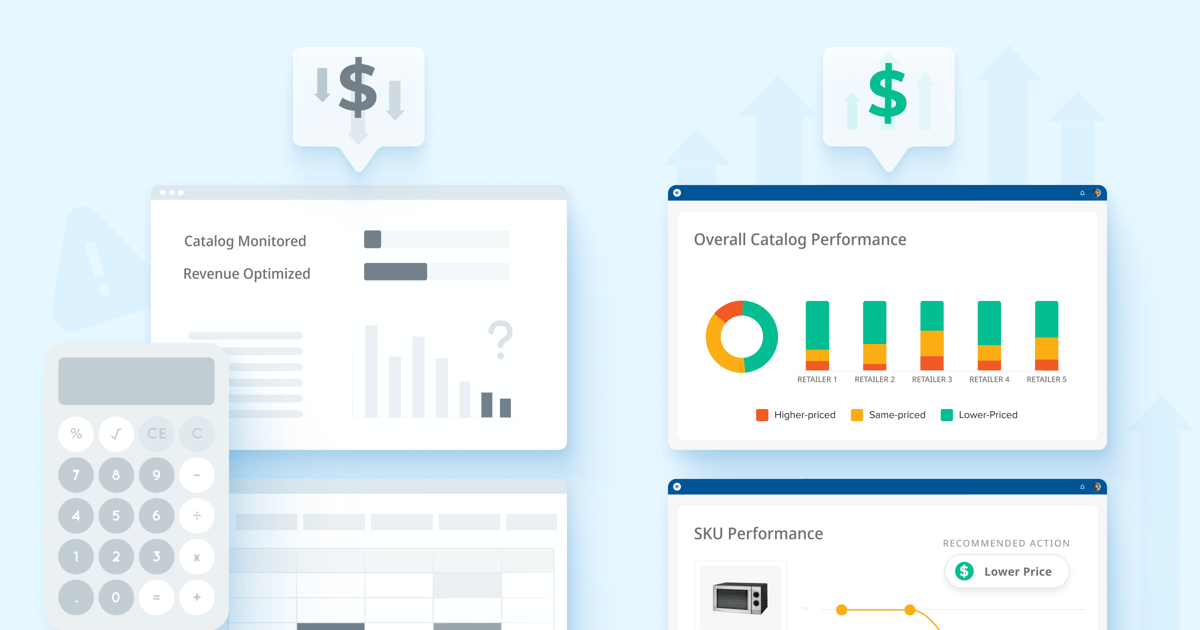
Manual pricing slows teams down and creates inconsistent shopper experiences across channels. In 2026, retailers need a smarter pricing system built on unified data, automated competitor visibility, SKU prioritization, and clear governance. Start by identifying Traffic Drivers, Margin Contributors, and KVIs; fix omnichannel inconsistencies; simplify promotional calendars; and test improvements through a structured 60-day pilot. This is how to build a smarter pricing system in retail that is proactive, accurate, and aligned across functions.
The Pitfalls of Manual Pricing in a Modern Retail Environment
In today’s retail environment, pricing is more than a number — it’s a signal that influences shopper perception, competitive position, and profitability. Yet many retailers remain stuck with manual spreadsheets, disconnected scraping tools, and slow workflows that can’t keep pace with market change.
Manual processes create errors, require constant rework, and rely on data that’s often outdated by the time it’s reviewed. Because pricing ownership is typically siloed across finance, merchandising, or marketing, teams struggle to coordinate decisions or develop consistent strategies.
The result: slow price changes, reactive decision-making, and inconsistent pricing across online, in-store, and marketplace channels, all of which erode shopper trust and weaken competitive standing.
Identifying Price-Influential SKUs: The First Step to Smarter Pricing
The most effective pricing strategies begin by identifying the SKUs that most influence customer perception, margin, and traffic. Concentrate initial pricing efforts on three categories:
-
Traffic Drivers: Products that attract shoppers to your site or stores. Even small price changes can influence visibility and conversion. Because customers actively compare these items across retailers, strong benchmarking is essential.
-
Margin Contributors: Products with higher profitability and lower price sensitivity. Optimizing these SKUs helps protect margin and offset pressure in highly competitive categories.
-
Price Perception Shapers: Known as Key Value Items (KVIs), these products shape how customers perceive your pricing fairness. Frequently purchased and memorable, these products define your overall value image.
Develop clear, category-specific playbooks outlining pricing approvals, data sources, review cadence, and promo evaluation. Start with your top 100 SKUs and expand as processes mature.
Cleaning Up Omnichannel Pricing Inconsistencies
When prices differ across channels, shoppers lose trust and many will abandon their purchase entirely. Conduct a full pricing audit across:
-
Online vs. in-store
-
Mobile app vs. desktop
-
Marketplace vs. owned channels
Document your systems to establish a single “source of truth” for canonical pricing data.
Research shows that:
- 71% of shoppers use smartphones to compare prices while in physical stores,
- 68% will abandon a purchase if they find pricing discrepancies across channels.
To improve omnichannel alignment:
-
Define rules for intentional and acceptable channel differences
-
Establish a routine auditing schedule
-
Create governance for approving exceptions and differentiated strategies
Consistency doesn’t mean uniformity: it means clarity, logic, and predictability for the shopper.
Simplifying Promotion Calendars for Better Customer Engagement
Promotions are often the largest source of pricing complexity. Without structure, discounts overlap across channels, confuse shoppers, and train them to wait for deals.
Improve promotional discipline with three core principles:
-
Strategic Calendar Planning: Balance activity year-round to maintain demand and margin. Focus monitoring on peak shopping periods to maintain competitiveness.
-
ROI Measurement: Evaluate promotions by incremental profit, not sales lift alone. Track full-price cannibalization, repeat purchase shifts, and total margin impact.
-
Targeted Approach: Shift from broad, store-wide discounts to focused initiatives like category-specific offers, new-customer incentives, or loyalty-driven rewards.
This discipline ensures clarity, protects brand equity, and preserves margin while maintaining customer engagement.
Running a 60-Day Pricing Pilot to Test and Learn
A full pricing transformation can be daunting. A structured 60-day pilot offers a low-risk way to test new methods, prove value, and build alignment before scaling. Execute effectively by defining the pilot scope, setting success metrics, implementing tracking and rules, reviewing and refining, and scaling what works.
Key Steps:
-
Select 10–20 SKUs across competitive, margin-driving, and perception-shaping categories.
-
Establish KPIs such as responsiveness, price accuracy, margin impact, and sales velocity.
-
Document baseline performance before the pilot.
-
Activate automated competitor tracking and rule-based alerts.
-
Set clear workflows for approvals, timing, and actions triggered by market changes.
-
Conduct weekly evaluations to refine decision thresholds, capture learnings, and align stakeholders.
At the conclusion, identify what improved most (responsiveness, margin, sales) and scale those components across additional categories. This phased approach is foundational for building a smarter pricing system in retail that is measurable and repeatable.
Cross-Functional Ownership: Ensuring Consistency and Efficiency
Pricing touches every retail function. Without shared ownership and formal governance, decisions become fragmented and difficult to manage.
Strengthen pricing discipline by:
-
Forming a Cross-Functional Pricing Committee: Meet regularly to review performance, exceptions, and competitive context.
-
Standardizing Communication Protocols: Use consistent templates for price changes, lead times, and competitive escalations.
-
Designating a Central Pricing Owner: A dedicated pricing manager or team ensures continuity, alignment, and accountability.
- Using a RACI Framework: Define roles across Responsible, Accountable, Consulted, and Informed to eliminate ambiguity and speed execution.
Clear ownership and communication help the smarter pricing system scale reliably as the organization grows.
Conclusion
Pricing is a core driver of brand perception, profitability, and agility. By focusing on visibility, automation, and governance, retailers can move from reactive adjustments to proactive, data-informed strategies. Implement automation to detect and respond to market shifts rapidly, establish transparent logic for pricing decisions, and invest in clean, unified data sources to ensure accuracy.
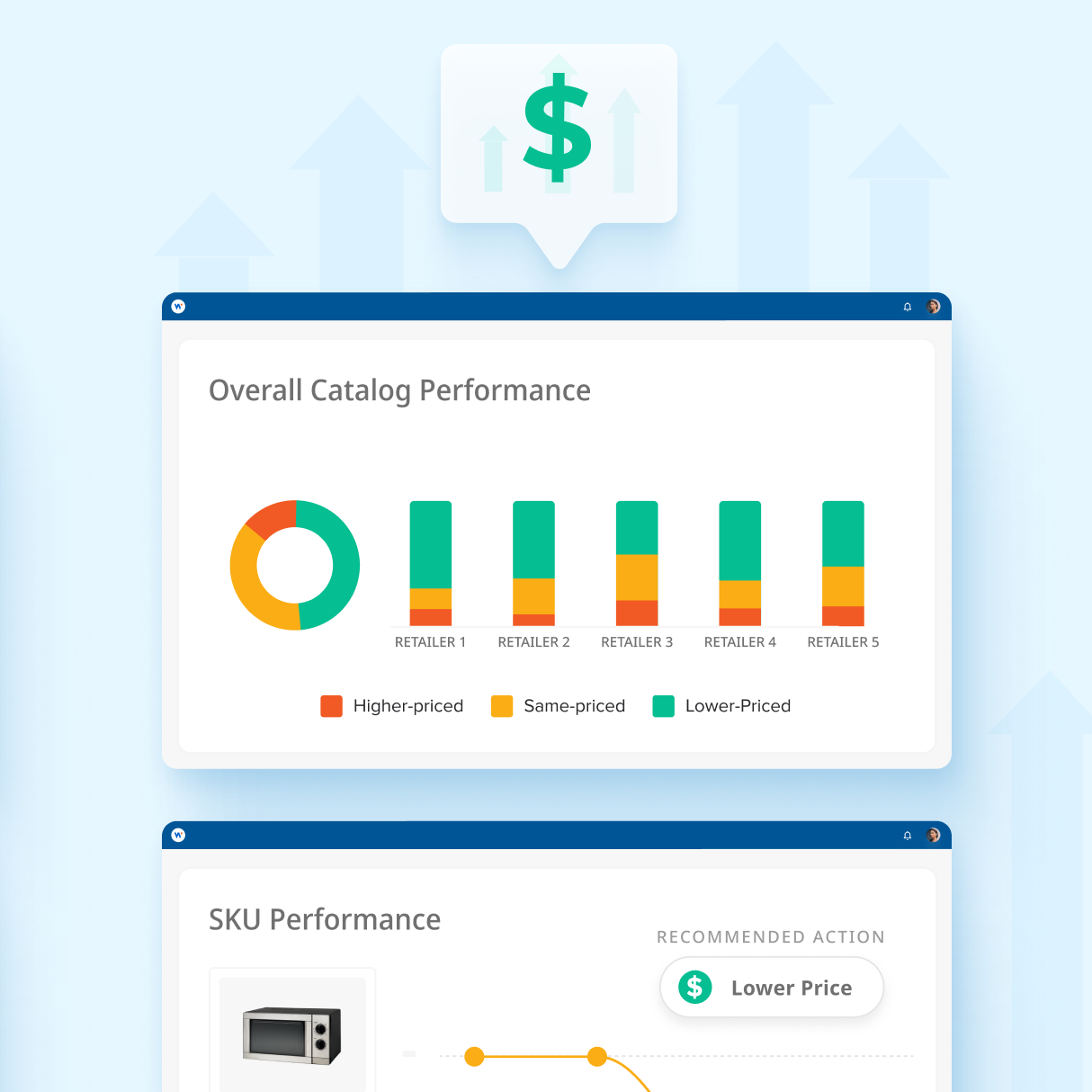
Wiser Solutions provides unified, accurate Price Intelligence across channels, enabling leaders to move from reactive to proactive pricing. Start small by automating one process, standardizing one workflow, and establishing one source of truth. Each improvement compounds into measurable growth and stronger competitive positioning.
FAQs
Q: What’s the quickest way to eliminate pricing inconsistencies
A: Begin with an omnichannel audit, establish your source of truth, and set automated alerts to identify discrepancies in real time.
Q: Which SKUs should be prioritized first?
A: Traffic Drivers, Margin Contributors, and KVIs. These influence perception, demand, and profitability more than any other products.
Q: Why run a 60-day pilot?
A: It provides a controlled way to test new workflows, quantify value, and build internal alignment before scaling.
Glossary:
- KVI (Key Value Item): A product that shapes shopper perceptions of your pricing fairness.
- Traffic Driver: A product that draws high shopper interest or store visits.
- Canonical Pricing Source: The single system designated as the authoritative source of pricing data.