Skip to content

MAP Intelligence

The MAP Playbook

MAP is more than a policy: it’s an ongoing program. It requires clear rules, consistent enforcement, and the ability to monitor pricing across every channel.

1 in 5

Retailers violate MAP

14.5%

Average MAP violation depth

750+

Global brands trust Wiser

Why MAP Matters

The retail landscape spans direct-to-consumer channels, major retailers, and online marketplaces, where pricing is influenced by automation, third-party sellers, and rapid competitive shifts.

In this environment, MAP must function as an ongoing program. When implemented well, it protects brand value by maintaining consistent pricing across channels, supporting fair competition among resellers, and preventing price discrepancies that undermine brand perception.

Effective pricing ensures competition doesn’t come at the expense of long-term brand value.
why map matters2

Before You Write A MAP Policy

MAP policies succeed only with consistent enforcement and a clear escalation process.

Brand Positioning

Are my products positioned as value, mid-market, or premium?

Competitive Pricing

How are my competitors' products priced across my key channels?

Channel Strategy

Do I sell direct-to-consumer, through retailers, or both?

Margin Reality

What margins do retailers need to sell my products profitably?

The 4 Part MAP Policy Framework

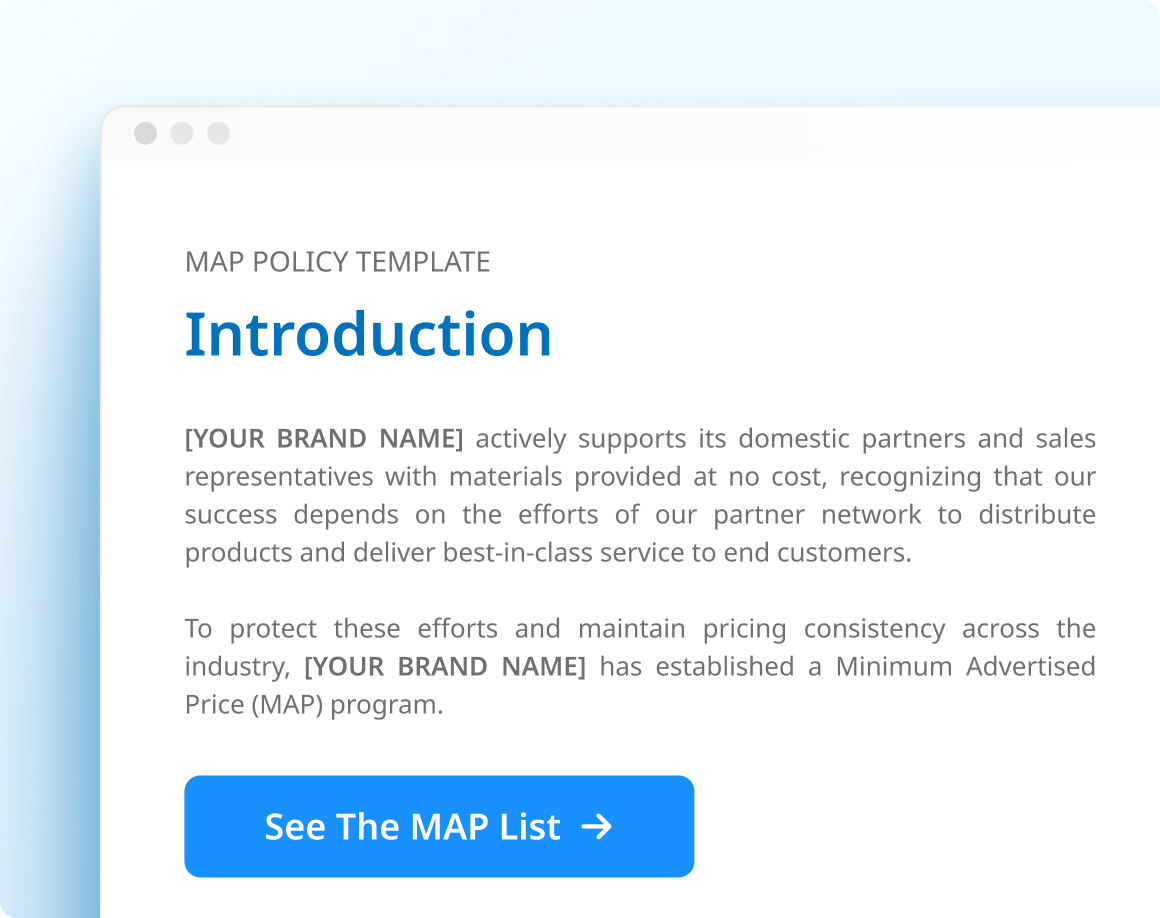
Explain the purpose of your MAP program and why pricing consistency matters. Include a brief brand overview and link to your official MAP price list so retailers have a clear reference point.

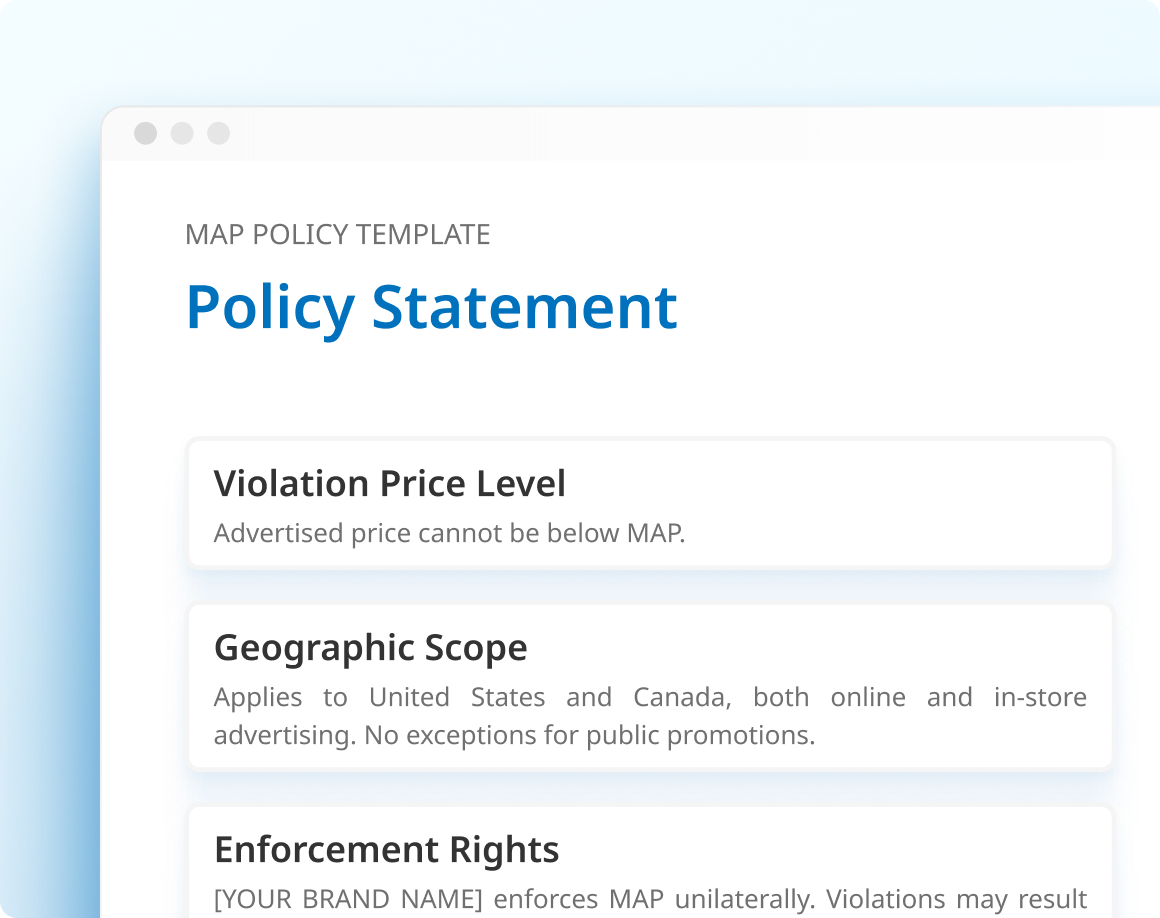
Define the rules clearly. Specify the violation price level, the geographic scope of the policy, and your unilateral enforcement rights. Leave no room for interpretation.

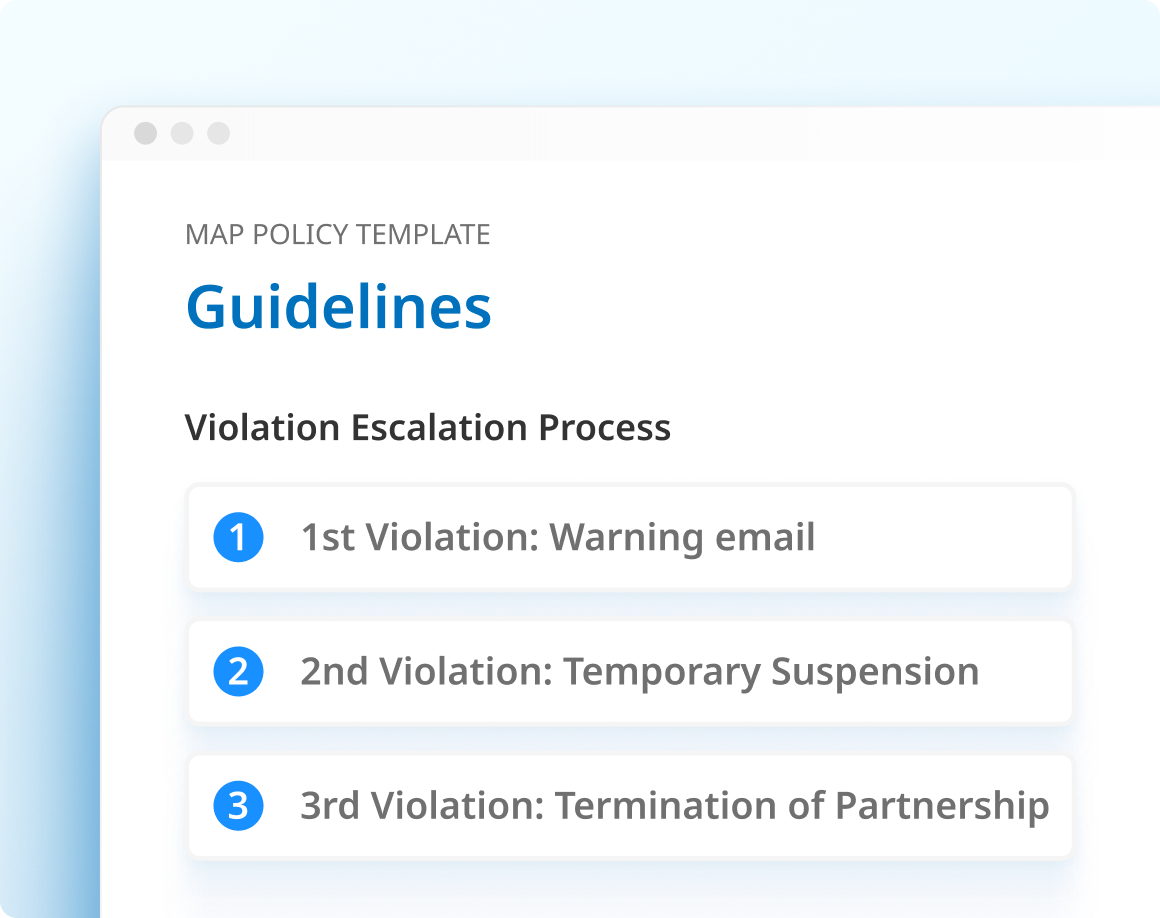
Explain how the policy works in practice. Include your violation escalation process, product exclusions (discontinued, refurbished, etc.), and rules for advertised vs. selling price.

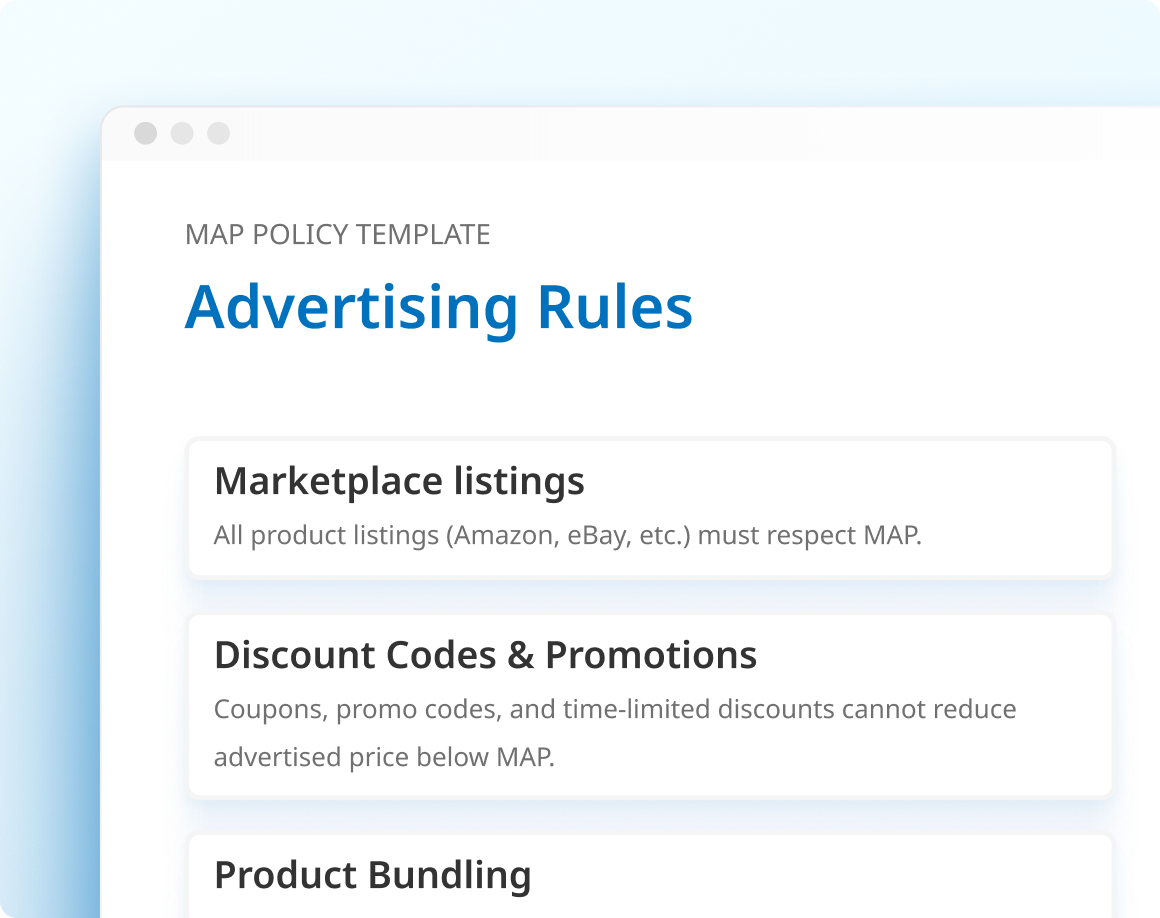
Many MAP violations occur in digital advertising. Define rules for marketplace listings, discount codes, promotions, “click for price” or cart pricing tactics, and product bundling to prevent circumvention.
MAP 1
MAP 2-1
MAP 3-1
MAP 4-1

MAP Enforcement in Practice

MAP policies work only with consistent enforcement. Successful brands use a structured escalation process.

1st Violation

Warning Issued

Formal notice identifying the violating SKU, advertised price, and MAP threshold. This begins the compliance timeline.

2nd Violation

Temporary Shipping Hold

Shipments of the violating SKU are paused. The financial pressure of unavailable stock encourages quick correction.

3rd Violation

Extended Shipping Hold

An escalated hold signals serious non-compliance and provides time for the reseller to correct pricing before further action is taken.

Final violation

SKU Removal or Account Termination

The reseller may lose rights to the product, or, in severe cases, the entire account relationship.

How Wiser Helps

Structured Channel Visibility

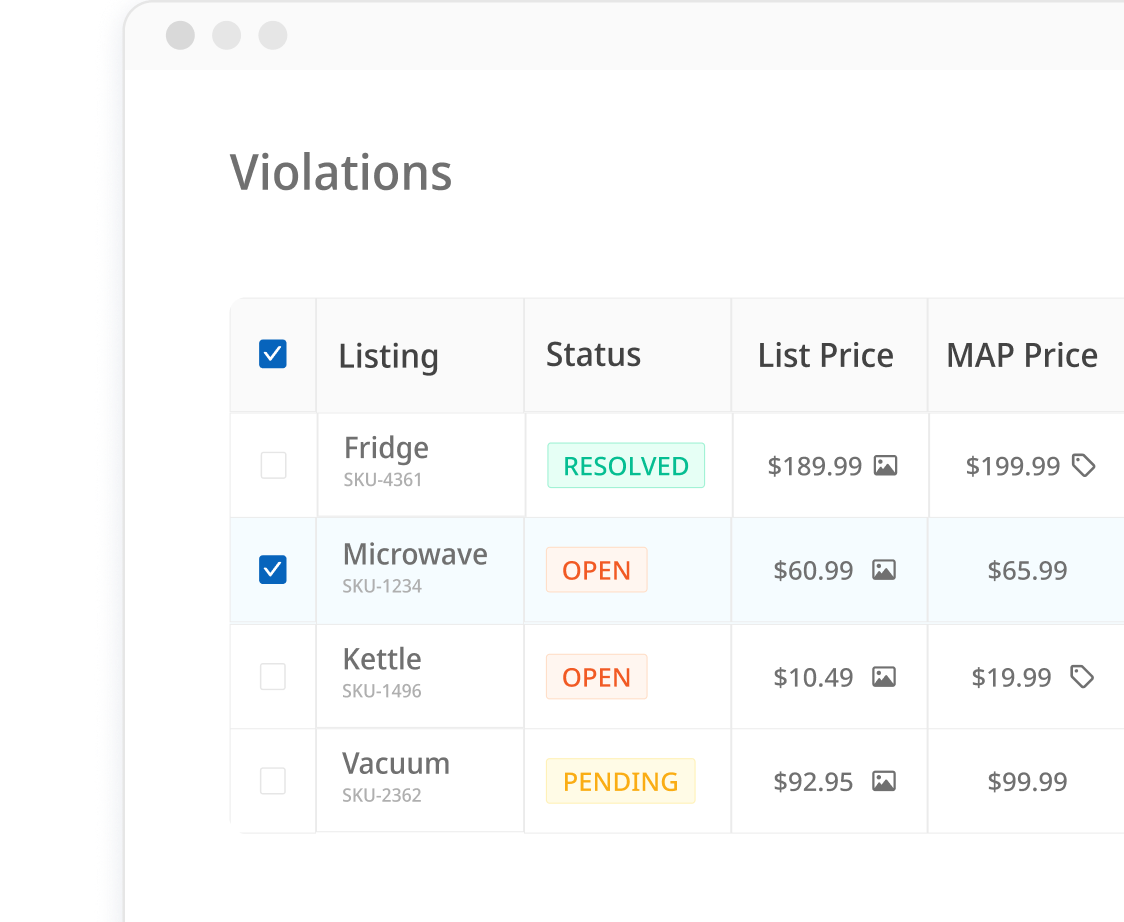
Track advertised prices across retailers, marketplaces, and third-party sellers.
Violations

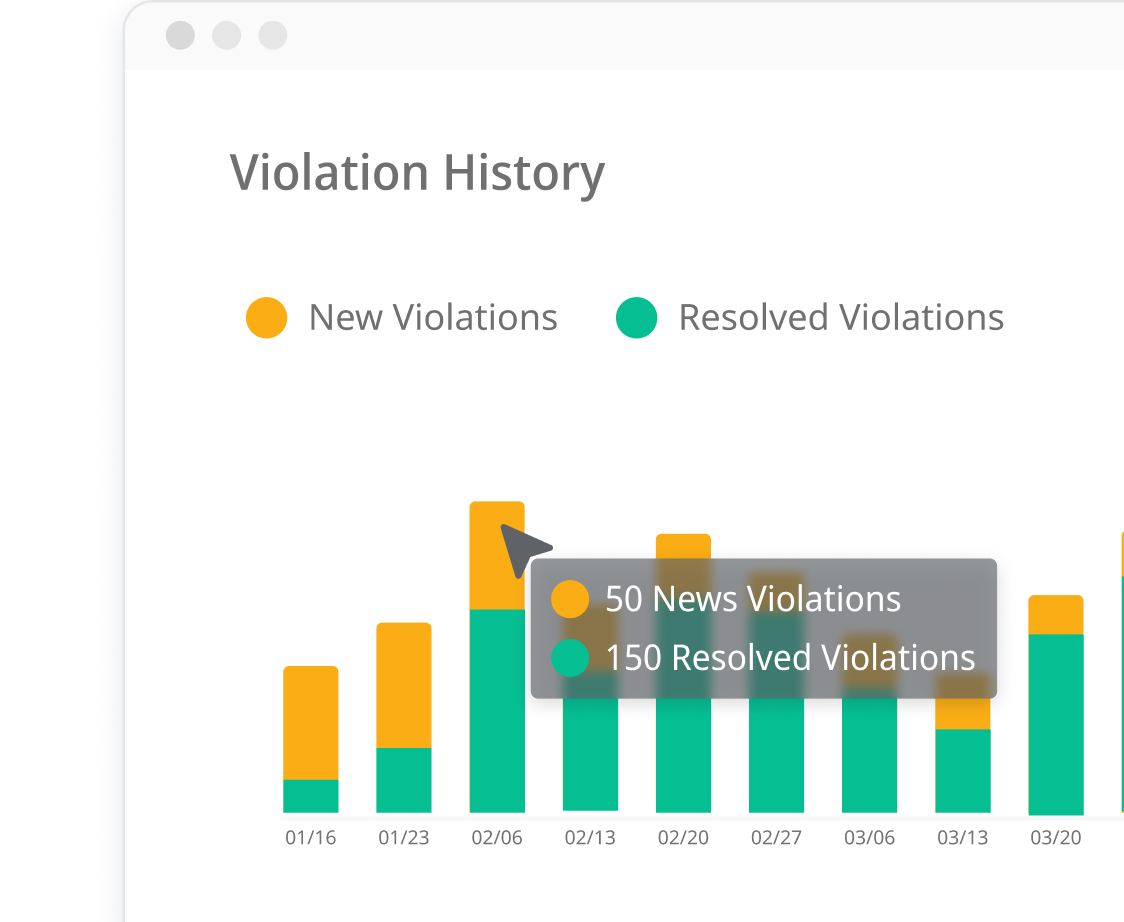
Historical Violation Tracking

Maintain documented evidence of violations and enforcement actions.
Violation History

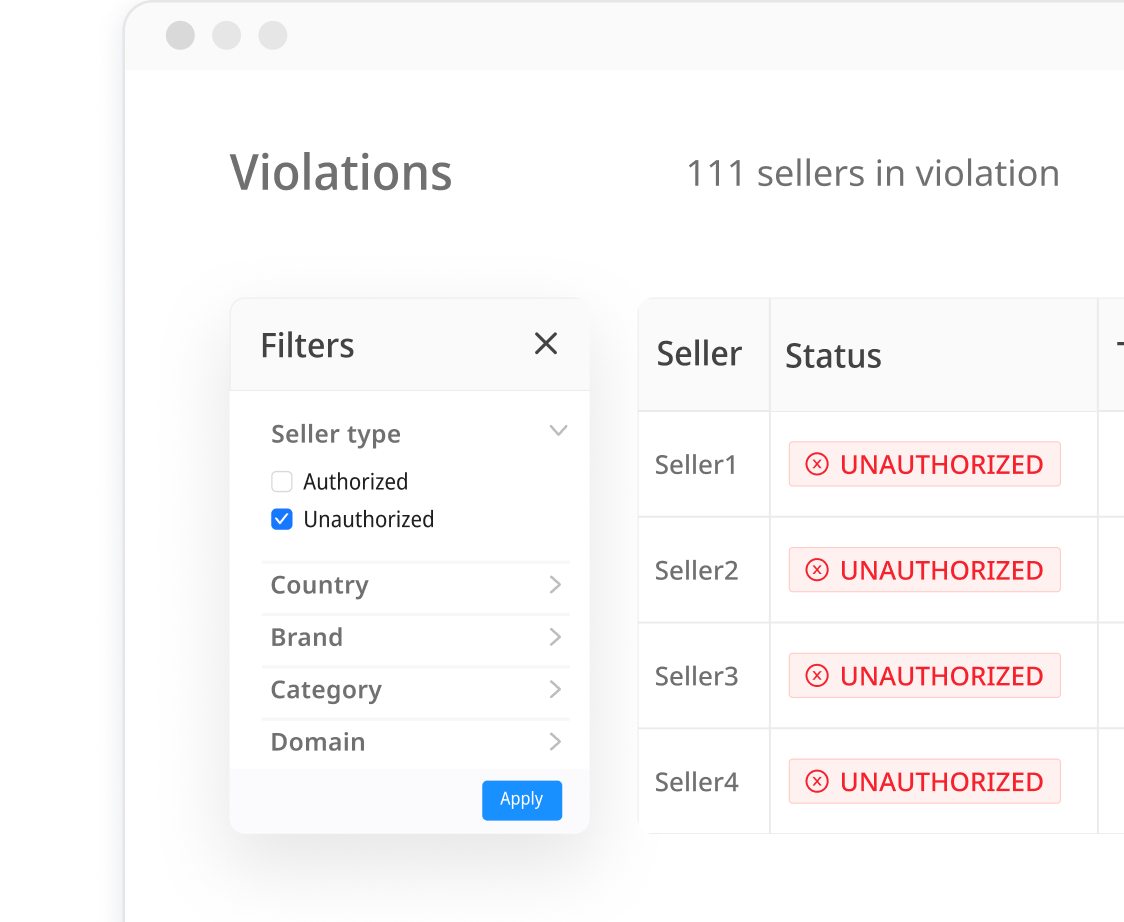
Gray Market Sellers Detection

Identify unauthorized sellers and potential supply chain leakage.
Gray market sellers

Actionable Alerts

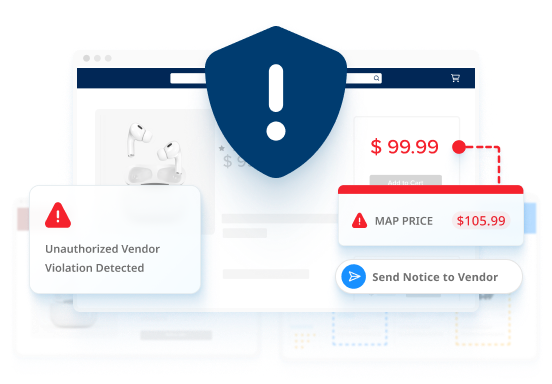
Detect violations quickly so teams can act before pricing spreads.
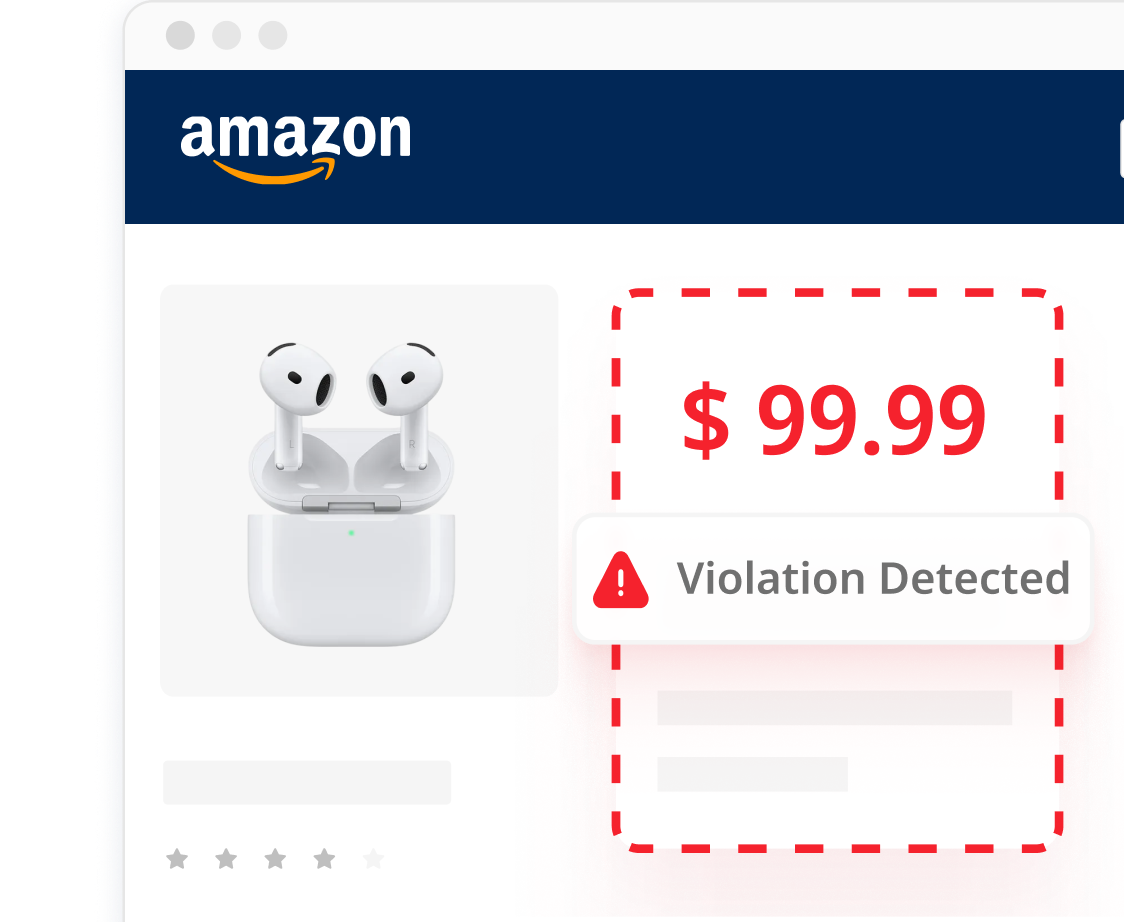
Violation detected

Wiser was built for this.

Blending AI with proven logic, Wiser turns billions of data points into fast decisions around pricing and execution.

See What's Possible
  • 150K

    Sellers Monitored

  • 130M

    E-Commerce Page Visits

  • 10B

    Products Tracked

Trusted by brands that lead in every channel

  • LG_logo_grey-1
  • logitech_logo-2
  • Cole-haan_logo-1