
Last Updated: April 27, 2026
TL;DR
A perfect store strategy helps brands define and execute the ideal in-store experience using data, KPIs, and real-time insights. When done right, it improves product availability, visibility, and sales performance across retail locations.
What Is a Perfect Store in Retail?
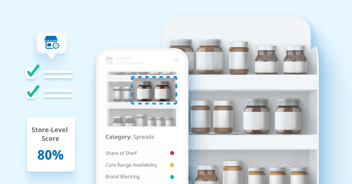
A perfect store strategy is a structured approach to retail execution that defines what success looks like at the shelf level and ensures every store meets that standard.
At its core is the “picture of success”—a clear definition of how products should appear, be priced, and be promoted in-store.
This includes:
-
Promotional execution
-
Pricing consistency
The goal is simple: create a consistent, high-performing in-store experience that drives shopper conversion.
Why Perfect Store Strategies Matter
Retail environments are complex. Store formats vary, shopper behavior shifts, and execution can break down quickly without visibility.
A strong perfect store retail strategy helps brands:
-
Focus on high-impact stores and categories
-
Align field teams with business goals
-
Improve in-store execution consistency
-
Drive measurable sales outcomes
Without it, brands are often relying on fragmented data and inconsistent execution.
Key Components of a Perfect Store Strategy
Here’s what separates a strong strategy from a basic checklist:
| Component | What It Means | Why It Matters |
| Picture of Success | Defines ideal shelf conditions and execution standards | Creates consistency across stores |
| Retail KPIs | Metrics tied to availability, display, pricing, and promotions | Measures what actually drives sales |
| Store Segmentation | Prioritizing stores by value and opportunity | Focuses effort where it matters most |
| Field Execution | Actions taken by sales and merchandising teams | Turns strategy into results |
| Data & Insights | Real-time visibility into store conditions | Enables faster, smarter decisions |
Building a Data-Driven Perfect Store Strategy
A modern retail execution strategy relies heavily on data.
By integrating retail KPIs into daily workflows, brands can:
-
Identify underperforming stores
-
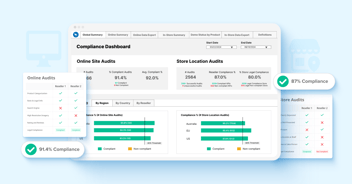
Track compliance against the picture of success
-
Adjust execution in near real time
This ensures field teams are not just visiting stores, they’re making targeted, high-impact improvements.
Aligning the Six Ps of Retail Execution
A successful perfect store execution strategy aligns key retail drivers:
-
Product
-
Price
-
Place
-
Promotion
-
People
-
Process
When these are aligned, brands create a more cohesive and effective in-store experience that directly influences shopper decisions.
Common Challenges in Perfect Store Execution
Even well-defined strategies can break down in execution.
Common challenges include:
-
Inconsistent data collection across stores
-
Manual, time-consuming audits
-
Lack of real-time visibility
-
Difficulty standardizing KPIs across store formats
These gaps make it harder to maintain a consistent perfect store retail experience at scale.
How Technology Improves Perfect Store Execution
Technology is changing how brands approach perfect store execution.
Tools like:
-
Image recognition
-
Crowdsourced store data
-
Real-time reporting dashboards
…help teams capture accurate data faster and act on it immediately.
This leads to:
-
More reliable KPI tracking
-
Faster issue resolution
-
Improved in-store compliance
Using KPIs to Drive Better Retail Outcomes
KPIs are the backbone of any perfect store strategy.
The most effective KPIs are:
-
Specific
-
Measurable
-
Actionable
-
Tied to sales impact
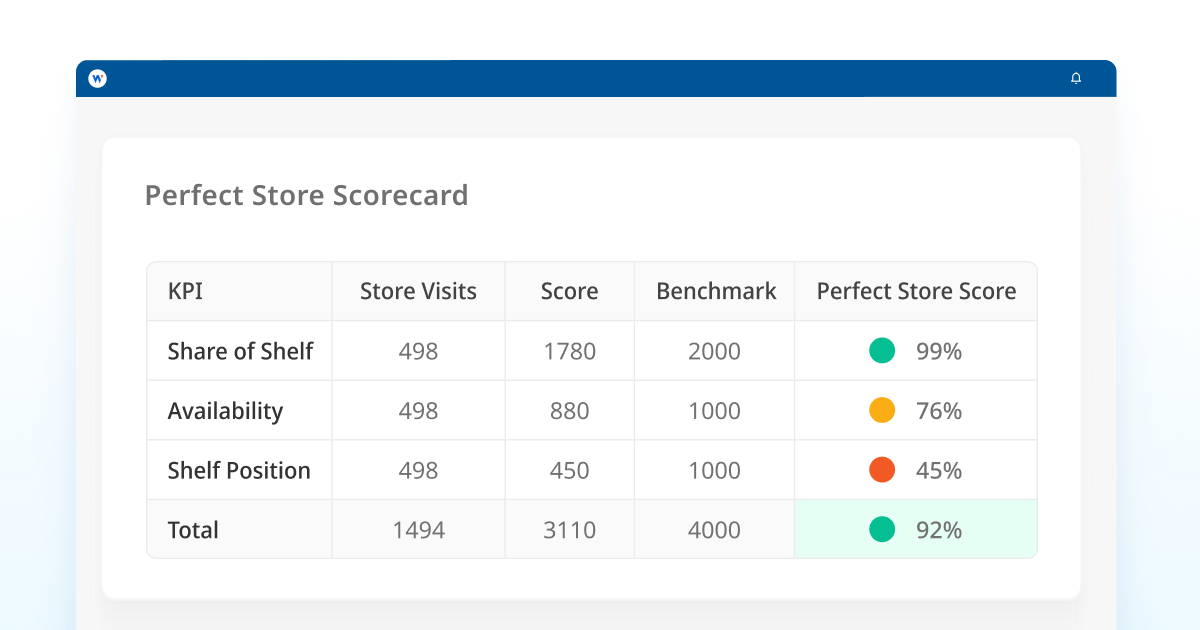
Many brands also assign weighted importance to KPIs, ensuring that high-impact factors like availability or placement carry more influence.
Improving Field Team Efficiency
A strong in-store execution strategy improves how teams prioritize, plan, and perform in the field.
By focusing on:
-
High-value stores
-
Optimized visit frequency
-
Actionable insights
Brands can:
-
Increase productivity
-
Reduce operational costs
-
Improve execution quality
Final Thoughts
A perfect store strategy is not static. It evolves with your retail environment, your data, and your customers.
Brands that succeed are the ones that:
-
Continuously refine their picture of success
-
Use data to guide execution
-
Align teams around measurable outcomes
In today’s competitive landscape, retail execution plays a direct role in driving growth.
FAQs
Insert a FAQ answer for this accordion tab.
Insert a FAQ answer for this accordion tab.
Insert a FAQ answer for this accordion tab.