Key takeaways
-
MAP enforcement software turns violation data into action: it detects below-MAP listings, identifies who is behind them, and runs an escalation process with a record of every step.
-
Enforcement is only as good as the data under it. A false alert or a mismatched product sends the wrong notice to the wrong seller.
-
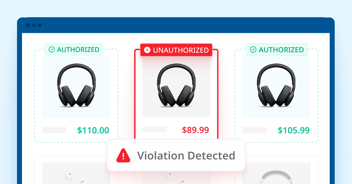
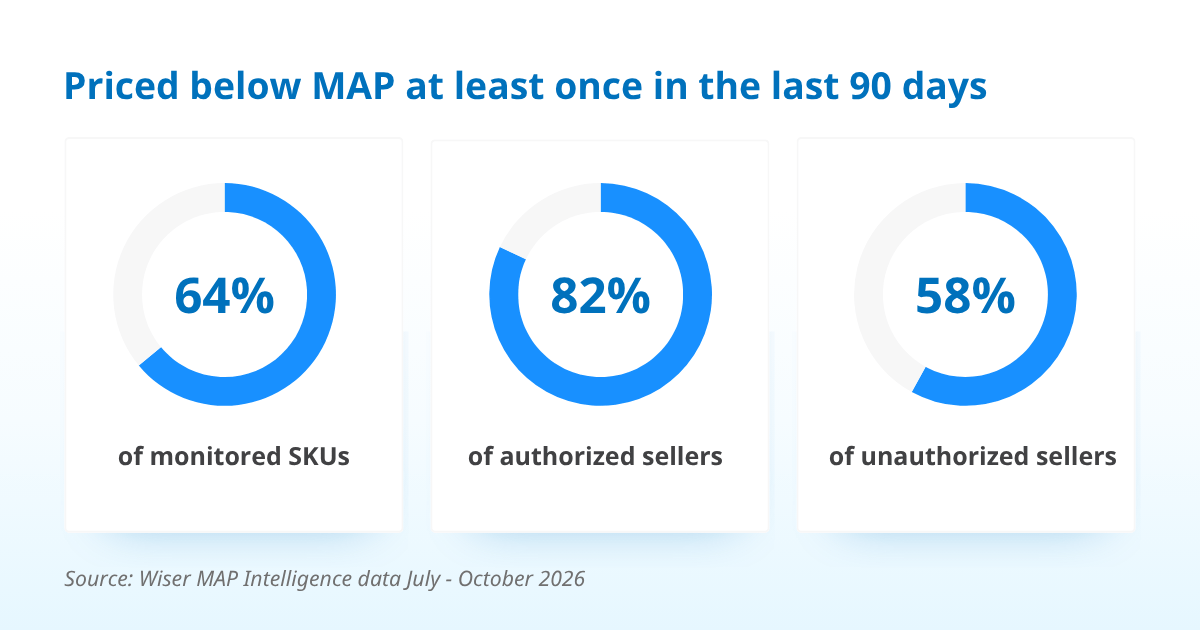
Violations aren't only an unauthorized-seller problem: over 90 days, 82% of authorized sellers and 58% of unauthorized sellers priced below MAP at least once (Wiser MAP Intelligence, July–October 2026).
-
Good escalation is configurable, not just automatic: clear steps, waiting periods between notices, and room for approved promotions.
Why MAP Enforcement Matters More Than Ever
Below-MAP pricing is common, and it comes from partners as well as unknown sellers. When violations go unanswered, sellers learn they can ignore your policy.
A minimum advertised price (MAP) policy only protects your pricing if sellers believe it will be enforced. On today's marketplaces, that's harder than it sounds. One listing can host many sellers, one seller can trade under several storefront names, and sales and promotions make it harder to tell what counts as a violation.
The scale is easy to underestimate. In Wiser MAP Intelligence data from July to October 2026, 64% of monitored SKUs were priced below MAP at least once in 90 days. So were 82% of authorized sellers and 58% of unauthorized sellers. Violations aren't a rare event caused by a few bad players. They're a routine part of selling online. That means every seller's pricing, partners included, needs to be watched and acted on.
That's the job of MAP enforcement software, also called MAP compliance software or MAP violation software. It finds violations reliably, connects them to the right seller, and moves each seller through a consistent, documented process until pricing is back in line.
What MAP Enforcement Software Actually Does
MAP enforcement software does three jobs: detects violations, identifies the seller behind each one, and keeps a record of every action so you can back it up.
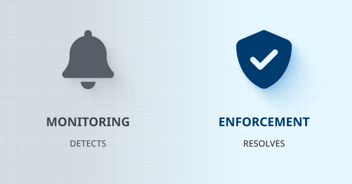
MAP monitoring tells you a price is below MAP, while MAP enforcement software takes you from that alert to a resolved violation.
Violation detection.
The software checks every listing it captures against the MAP for that product and flags any listing advertised below it. For each violation, it records the advertised price, the MAP at the time, how far below MAP the price was, and a screenshot as evidence. This record is the basis of MAP violation tracking, because it shows what was flagged, when, and which seller was responsible.
Seller identification.
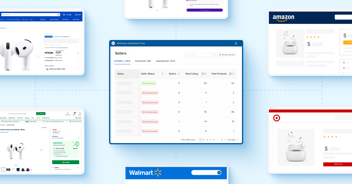
You can only act on a violation if you know who is responsible. The software groups listings by seller and separates your authorized partners from unauthorized sellers. It also links the different storefront names one seller uses into a single record.
Enforcement histories.
The software stores every notice, reply and step change against the seller. When a seller breaks MAP again, you see their full history instead of starting from scratch. That history is what tells you whether the seller gets a first warning or a final notice.
How MAP Violations Are Detected Across Retailers and Marketplaces
MAP violation software matches live listings to the products in your catalog, records each seller's advertised price, and checks it against the MAP set for that date.
Detection starts with your catalog. You list the products you want to monitor and set a MAP for each one, by country and currency if you sell in more than one market. The software then finds listings for those products on the retailers and marketplaces you choose to monitor.
Matching is the most important step. A good tool matches each listing to the right product in your catalog, and your catalog holds identifiers such as UPC, ASIN, MPN, GTIN, EAN and SKU for each product. That's more reliable than a list of product URLs, which breaks every time a listing changes.
Once a listing is matched, its advertised price is compared with that day's MAP. Approved promotions are handled separately (more on this below), so a planned sale doesn't create violations. And when a seller raises the price back to MAP, the violation closes automatically at the next data refresh.
Why Accuracy Matters in Enforcement
Every enforcement action rests on three facts: it's your product, the price is a real violation, and the seller is correctly identified, down to the storefront name and whether they're an authorized partner. Get one wrong and enforcement backfires.
Every notice goes out in your brand's name, so the data behind it has to be right.
Avoiding false alerts.
Some listings look like MAP violations when they aren't, such as a bundle, a different version of the product, a used item, or a listing matched to the wrong product. If your team has to check every alert by hand, enforcement slows down and people stop trusting the data.
Avoiding incorrect escalations.
A wrong alert wastes time, but a wrong notice can damage a relationship. Imagine sending a strike to an authorized partner who was running an approved promotion, or escalating the wrong seller because two storefronts were mixed up. Mistakes like these hurt the very partner relationships MAP is meant to protect.
Finding a violation is only the first step. You need accurate evidence before you can act on it. That's why the number of sellers a tool finds matters less than how many your team can act on with confidence.
Core Features of MAP Enforcement Software
When you compare tools, look for four core features: seller profiles, enforcement history, case tracking and escalation paths. Here's what each one does.
Seller profiles.
Each seller has one profile that shows whether they're authorized, who to contact, and every storefront name they sell under. If a seller has no contact on file, the software should warn you before you try to send a notice.
Enforcement history.
For each seller, you can see which step they're on, which notices you've sent, and which violations those notices covered. Even months later, you can show exactly what a notice was about.
Case tracking.
Notices are sent from the platform, and the software tracks whether each one was delivered, opened, clicked and answered. Each notice keeps its own conversation thread, and you can pull up a seller's full history at any time, so you never have to wonder whether a seller saw your warning.
Escalation paths.
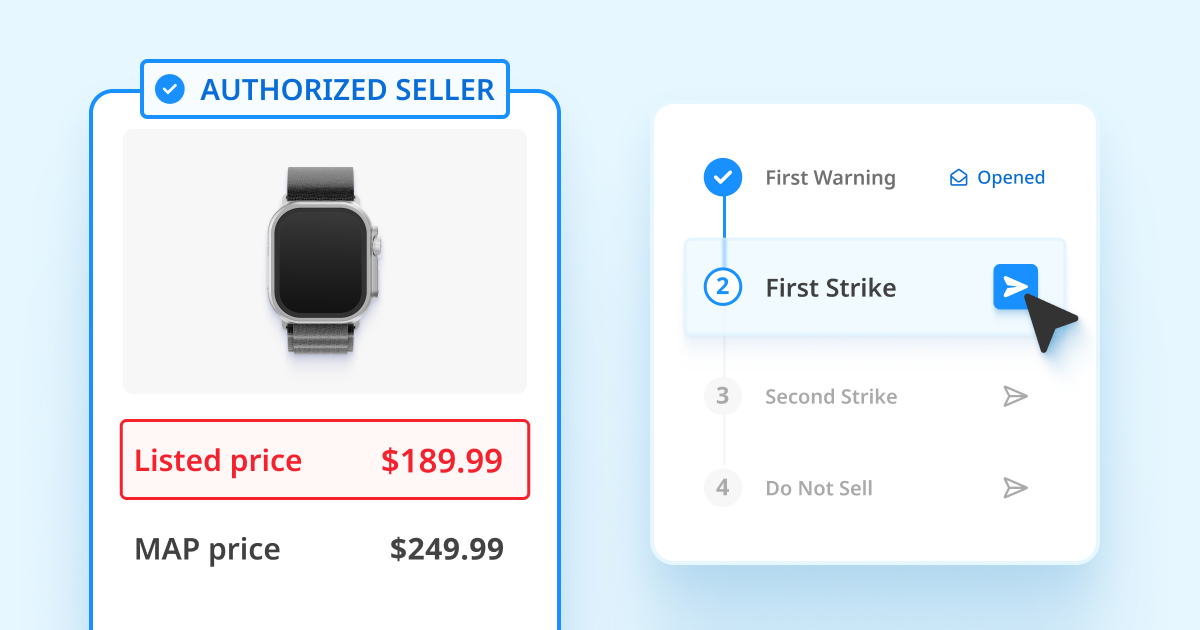
Your escalation path is a series of steps that mirrors your written policy, for example First Warning → First Strike → Second Strike → Do Not Sell. Each step has its own notice template and a waiting period before the next step, which gives sellers time to fix their price.
| Feature | What it answers |
| Seller profiles | Who is this seller, are they authorized, and how do we reach them? |
| Enforcement history | What have we already sent, and what step are they on? |
| Case tracking | Did they receive, open and reply to the notice? |
| Escalation paths | What happens next, and when? |
Automation versus control.
Fully automatic escalation sounds efficient, but notices sent without context can be too harsh or can miss exceptions like an approved promotion. A better approach is configurable: the software recommends the next step and enforces the waiting periods, while your team decides what is sent and when.
Marketplace Complexity and Enforcement Challenges
On marketplaces, new sellers, new storefront names and promotions appear faster than a manual process can keep up.
- Many sellers per listing. A single product page can show offers from many sellers, and each one needs its own record.
- Changing storefront names. One seller often sells under several storefront names. If those names aren't grouped together, the same seller could sit at "First Warning" on three different names and never move up your ladder.
- Promotions. Approved sales create low prices that aren't violations. If your tool can't apply a promotional MAP for a set period, every promotion floods your queue with false alerts.
- Missing contacts. Some sellers have no usable contact on file, and you can't send a notice without a recipient. These gaps need to be found and fixed before you start enforcing.
What Great Enforcement Software Must Provide
Not every MAP compliance tool is built for enforcement. Three things make escalation fair and effective: clean data, repeat-offender detection and consistent seller tracking.
Clean data.
Products are matched accurately, prices are captured with evidence, and promotions are applied correctly. That way, every violation you act on is one you can stand behind.
Repeat-offender detection.
Violations are counted against the seller, not just the individual listing. A seller's step on your ladder then reflects everything they've done, not only their latest listing.
Seller consistency tracking.
All of a seller's storefront names are merged into one record, so violations spread across different names still count toward one enforcement history.
How MAP Enforcement Supports Brand Governance
Consistent, documented enforcement gives sales, legal and leadership one shared record.
MAP enforcement isn't only about stopping low prices. It's how a brand shows its retail partners that the policy applies to everyone.
Enforcement also creates a record the whole business can use. Sales can see which partners are slipping, legal has the evidence behind every notice, and leadership can track compliance over time. You can also copy internal contacts on notices, such as the sales rep who manages a partner, and export violation reports for anyone who needs them.
Leaving violations unchecked can be costly. For Skullcandy, unauthorized sellers were pricing its products as much as 50% below MAP, with up to an estimated $35 million in annual revenue at risk across its monitored SKUs. Read the Skullcandy story
Summary
Whether you call it MAP enforcement, compliance or violation software, its job is the same: to take you from a flagged price to a resolved violation. How well it does that depends on the quality of its data.
MAP enforcement software detects violations, identifies the seller behind each one, and runs a documented escalation process until pricing is back in line. The best tools pair accurate data with escalation you control: clear steps, waiting periods, promotional exceptions and a full history for every seller.
Wiser MAP Intelligence brings monitoring and enforcement together in one place. It captures screenshot evidence for every violation, lets you set up a step ladder from first warning to Do Not Sell, tracks every notice and reply, supports promotional MAP windows, and merges a seller's storefront names into one record.